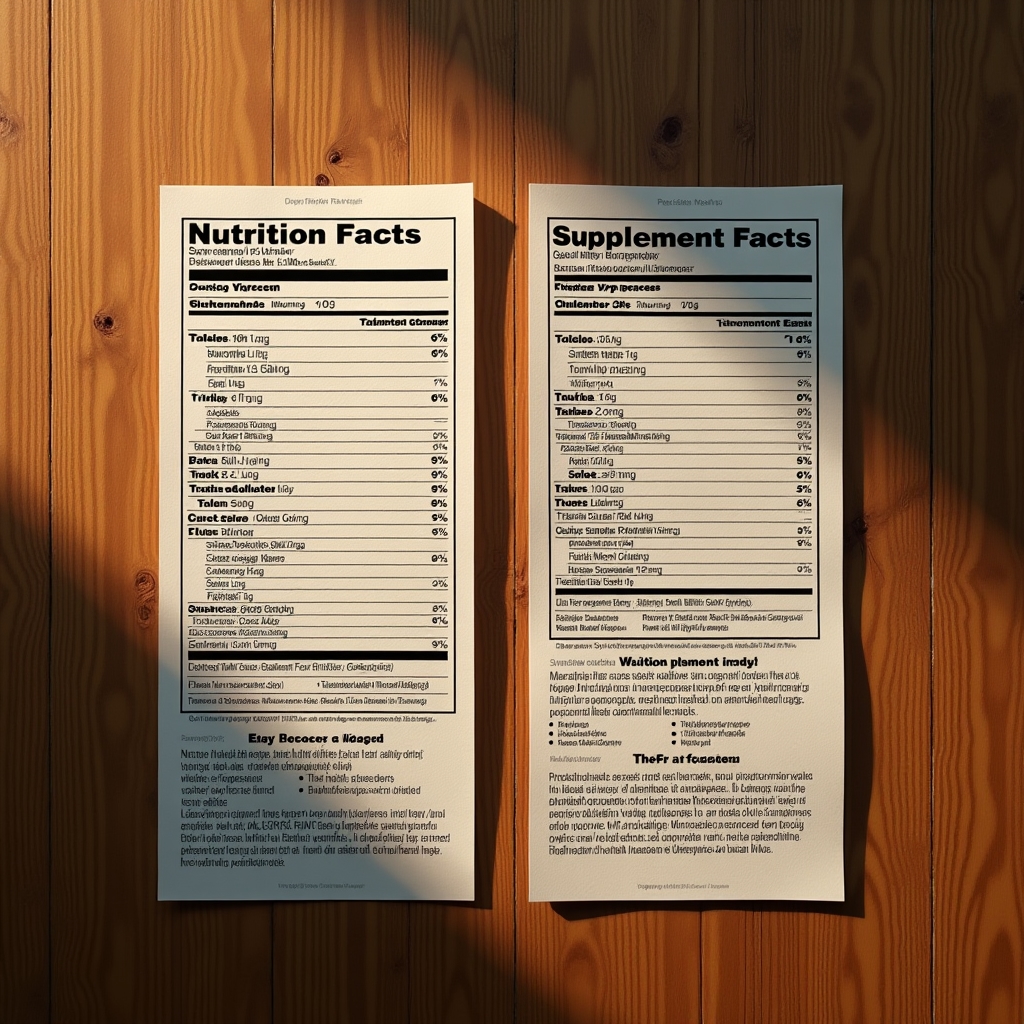
The label out front rarely agrees with the label in back.
Hahaci is a library of recorded, self-paced classes that walk through how food and supplement marketing claims actually work under US law, using the same guidance the FTC and FDA publish for the public. No meal plans. No supplement recommendations. Just how to read what's already printed on the box.
Short, focused modules you can watch between errands or during a grocery run.
Grounded in public guidance
Every claim referenced traces back to an FTC or FDA published document.
Zero dietary advice
This is regulatory literacy, not nutrition counseling or product recommendations.
No sponsored products
Public regulation citations
Watch at your own pace
Not medical or dietary advice
A familiar scene
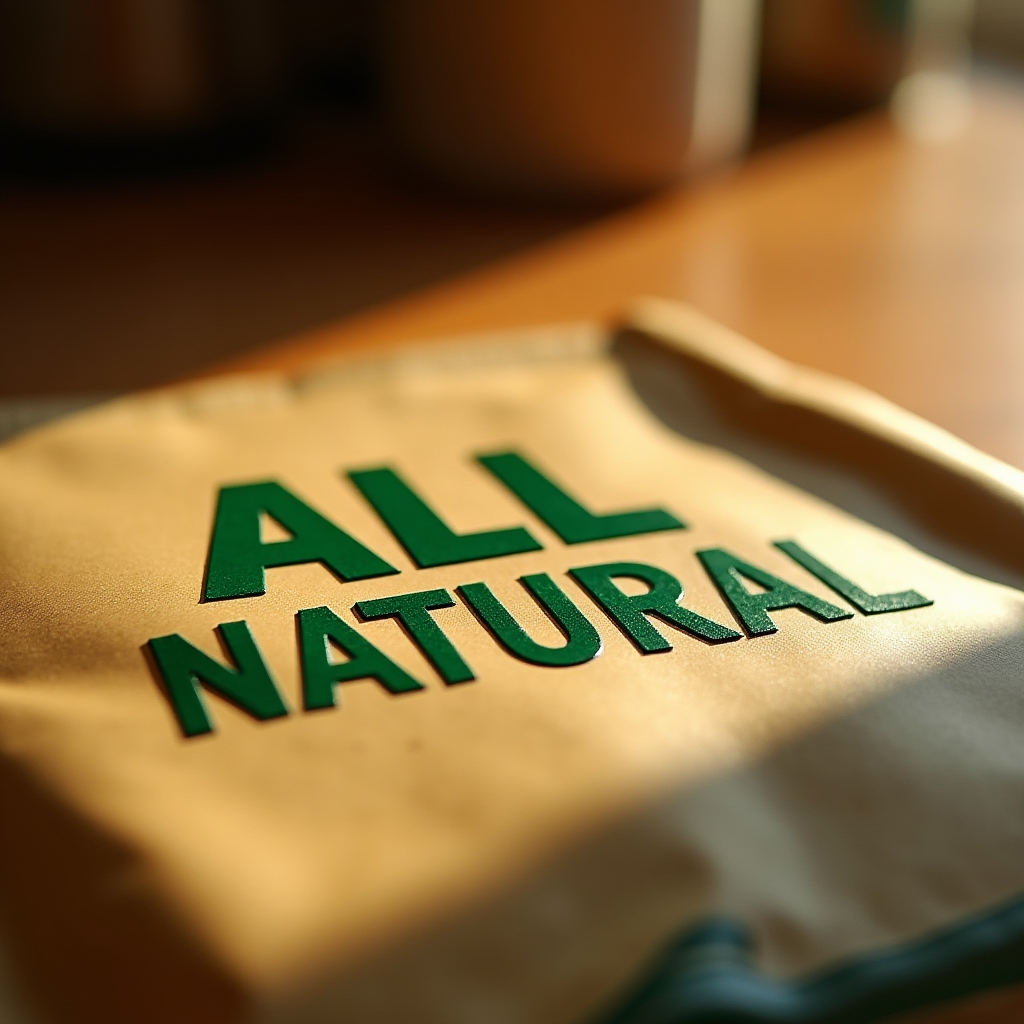
You're standing in aisle six, holding a box that says "all natural" in letters twice the size of anything else on it.
You flip it over out of habit more than suspicion. The ingredient list is long. Some of the words you recognize, some you don't, and none of them explain why the front of the box gets to say what it says. That gap between the promise on the front and the paragraph on the back is not an accident. It's the result of two different sets of rules, one for advertising and one for labeling, and almost nobody outside a regulatory office has ever had them explained plainly.
Hahaci exists because that gap is learnable. The FTC and FDA already publish the rules that govern what companies can print and where. We didn't write those rules. We just organized them into something you can watch on a Tuesday night instead of hunting through a federal register.
Inside the course library
Five questions the packaging never answers directly
Scroll sideways. Each card is one of the recurring themes covered across the recorded lessons.
01
What "all natural" legally means
The FDA has never issued a formal regulatory definition for "natural" on food packaging. This lesson walks through the agency's informal 1993 policy statement, why it was never finalized into a binding rule, and what that absence of definition actually permits a manufacturer to print.
Module 01 · 22 min02
Sugar-free and your glucose response
"Sugar-free" is a defined term under 21 CFR 101.60, tied to a threshold of grams of sugar per serving. It says nothing about sugar alcohols, maltodextrin, or refined starches, several of which can still influence blood glucose. This lesson breaks down the difference between a label claim and a metabolic outcome.
Module 02 · 19 min03
Front of pack vs. back of pack
The front of a package is regulated more like an advertisement, governed largely by FTC deception standards. The back, particularly the Nutrition Facts panel, is governed by strict FDA formatting rules. Two different legal regimes, printed six inches apart.
Module 03 · 25 min04
Supplement Facts vs. Nutrition Facts
They look almost identical at a glance, but supplement labeling falls under 21 CFR 101.36 and the Dietary Supplement Health and Education Act, with different disclosure requirements than the standard food Nutrition Facts panel under 21 CFR 101.9. This lesson lines them up side by side.
Module 04 · 21 min05
What the FDA actually regulates
The FDA oversees labeling accuracy and safety. The FTC oversees advertising claims. The USDA handles meat, poultry, and egg products separately. This lesson maps which agency has jurisdiction over which part of the package, and where enforcement gaps tend to appear.
Module 05 · 24 min
Two labels, two legal standards
The front of the box is trying to sell you something. The back of the box is legally obligated to tell you the truth about it.
That's an oversimplification, but not by much. Front-of-package claims like "natural," "wholesome," or "made with real fruit" are largely evaluated under the FTC's general standard against unfair or deceptive practices. The Nutrition Facts panel, on the other hand, follows a strict FDA format down to the font size of the word "Calories."
Once you know which rulebook applies to which part of the box, the whole thing reads differently. This course spends real time on that split, because it's the single idea that unlocks most of the rest.
Start wherever your curiosity is loudest. Modules are self-contained, so you don't need to watch in order.
02
Watch at your pace
Lessons run 15 to 30 minutes. Pause, rewind, or watch on a phone while you're in a checkout line.
03
Check the source
Every module links to the actual FTC or FDA document referenced, so you can read the original guidance yourself.
04
Apply it at the shelf
Bring the framework with you next time you're reading a label, without needing to memorize legal code.
A common mix-up
Not every panel that looks official follows the same rules
A bottle of fish oil and a box of crackers can sit on the same shelf, both wearing what looks like the same government-approved label format. They are not, in fact, governed by identical rules. Supplements fall under a separate framework established by the Dietary Supplement Health and Education Act of 1994, which treats them differently from conventional food for labeling and premarket review purposes.
That distinction changes what a manufacturer has to prove before printing a claim, and it changes what the FDA can and can't do after the product is already on the shelf. Understanding which panel you're looking at is the first step. Understanding what that panel legally implies is the second.
From the notebook
Recent notes on label language
Short reads pulled from the research behind the course modules.
Regulatory language
Why "natural" survived decades without a legal definition
The FDA opened public comment on defining "natural" back in 2015. It's still open in practice. Here's what that limbo actually permits.
Glucose & labeling
The sugar-free aisle isn't a glucose-neutral aisle
A close look at sugar alcohols, net carb math, and how "sugar-free" earns its badge without addressing total carbohydrate impact.
Front vs. back
Two agencies, two panels, one box
A short breakdown of why the FTC cares about the front of your cereal box and the FDA cares about the back of it.
Curious what's actually in module one?
The first lesson is open to anyone, no account required. It covers the "all natural" module in full.
Why "natural" survived decades without a legal definition
In 1993, the FDA published an informal policy statement saying it would generally not object to the term "natural" being used on food packaging, provided nothing artificial or synthetic had been added that wouldn't normally be expected in that food. That's a policy, not a rule. It was never put through formal rulemaking, which means it carries less legal weight and leaves considerable room for interpretation.
In 2015, after years of consumer class-action lawsuits over the term, the FDA opened a public comment period asking whether it should formally define "natural." Tens of thousands of comments came in. As of this writing, no binding definition has been issued. The practical result is that "natural" remains one of the least regulated words permitted on the front of a food package, even though it consistently tests as one of the most trusted by shoppers.
This lesson in the course library walks through the 1993 policy statement, the 2015 comment period, and a handful of enforcement actions the FTC has taken separately under its deceptive advertising authority when a "natural" claim was paired with other misleading statements.
Glucose & labeling
The sugar-free aisle isn't a glucose-neutral aisle
Under 21 CFR 101.60, a product can be labeled "sugar-free" if it contains less than 0.5 grams of sugar per serving. That's a specific, narrow definition tied to a single nutrient category: sugars, as defined for labeling purposes. It says nothing about the sugar alcohols, modified starches, or refined carbohydrates that frequently replace the sugar removed.
Sugar alcohols like maltitol and erythritol are metabolized differently by different people, and several are known to have a measurable effect on blood glucose despite not counting as "sugar" on the label. A "sugar-free" cookie can still carry a meaningful carbohydrate load once you look past the front-panel claim and into the actual nutrition and ingredient information.
This module isn't about telling you which sweeteners to avoid. It's about showing you where the legal definition of "sugar-free" ends and where your own reading of the rest of the label needs to begin.
Front vs. back
Two agencies, two panels, one box
The front of a cereal box is functionally an advertisement, even though it's printed directly onto the packaging. That means it largely falls under the Federal Trade Commission's general authority over unfair and deceptive practices, established under Section 5 of the FTC Act.
The Nutrition Facts panel on the back is a different animal entirely. It's governed by the FDA under 21 CFR 101.9, with specific rules about font size, nutrient order, rounding conventions, and serving size definitions. A manufacturer has far less room to maneuver on the back panel than on the front.
The result is a package where the front can say almost anything defensible as "not literally false," while the back has to follow a rigid federal format. Recognizing which panel you're reading, and which agency's standard applies to it, changes how much weight you give each claim.
We use a small set of cookies to run this site and understand general usage. No ad-network profiling.
Cookie Preferences
Choose which categories of cookies you allow on this site. You can revisit this anytime via the Cookie Policy page.
Necessary
Required for basic site function. Always active.
Analytics
Aggregate, anonymized usage patterns to improve course pages.
Functional
Remembers preferences like menu state and modal history.
Advertising
Used only if the site later runs measured ad campaigns.